

Seabuckthorn - Never the Same River
Music for walking

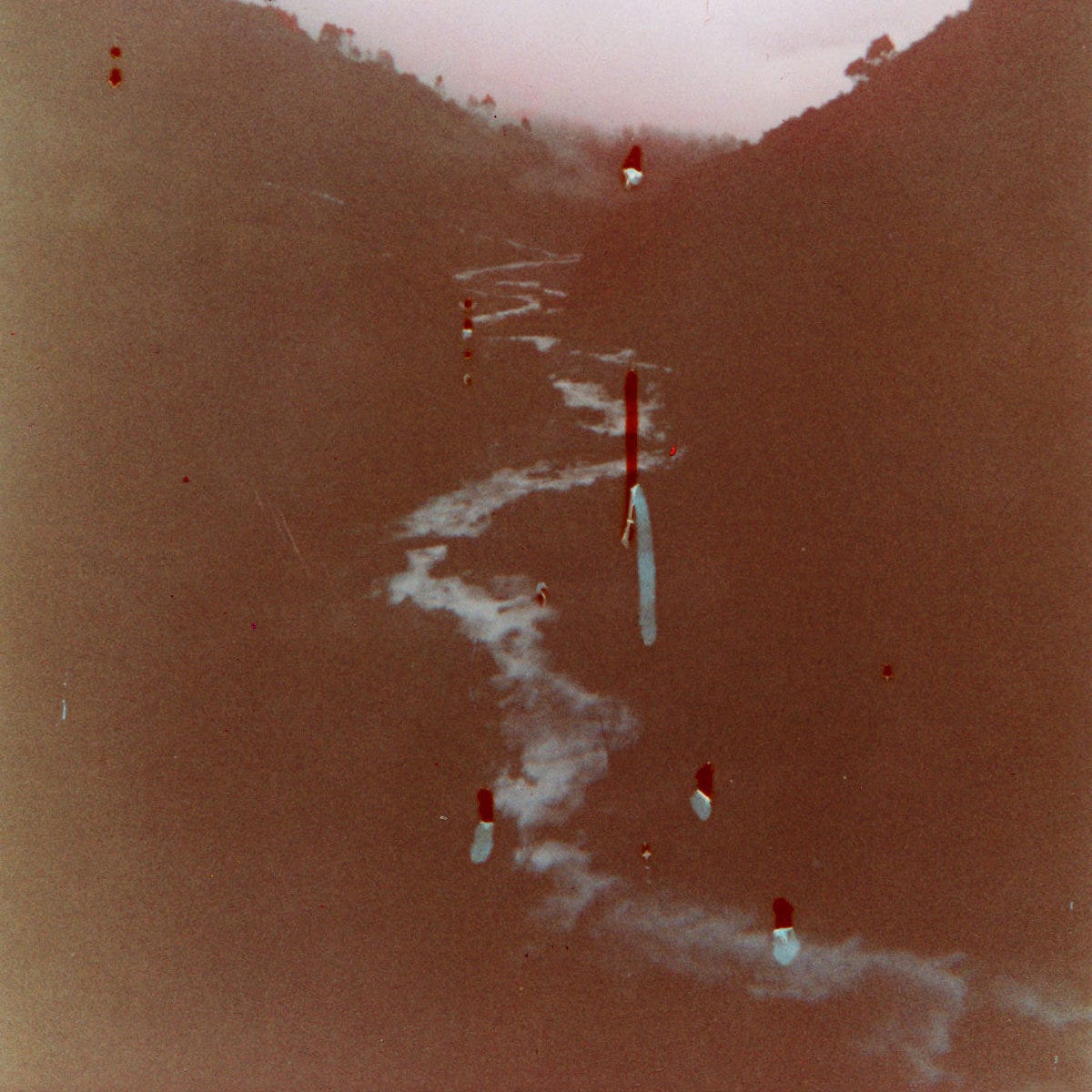
For nearly two decades, Andy Cartwright's work as Seabuckthorn has occupied a unique space somewhere between American primitive guitar, ambient folk, drone music and cinematic sound design. While those reference points are useful, they never quite tell the whole story. Seabuckthorn records tend to feel less like collections of songs and more like environments to inhabit, places that reveal themselves gradually through repeated listening.
With Never the Same River, Cartwright pushes further into rhythmic territory than before while retaining the sense of mystery, atmosphere and landscape that has always defined his music. The result is one of the richest and most immersive albums in an already impressive catalogue. Inspired by Cartwright's regular walks through the French Alps and the Heraclitan notion that no one ever steps into the same river twice, the album is concerned with movement, change and the subtle transformations that occur over time. That idea runs through the music itself.
Themes recur, textures return in altered forms, and familiar sounds seem to shift depending on what surrounds them. Even after several listens, the album never feels fixed. It remains fluid, revealing different details depending on mood, attention and circumstance. One of the most striking aspects of Never the Same River is its use of rhythm. Percussion has appeared in Seabuckthorn's music before, but rarely with this level of prominence. Hand percussion, found objects and manipulated rhythmic fragments provide a loose framework for many of the pieces, creating a gentle sense of momentum without ever imposing rigid structures. The rhythms feel organic rather than mechanical, as though they emerge naturally from the landscape the music evokes. Yet rhythm never becomes an end in itself. Instead, it supports Cartwright's rich palette of acoustic guitars, saz, autoharp, violin, banjo and other stringed instruments, all woven together with remarkable sensitivity.
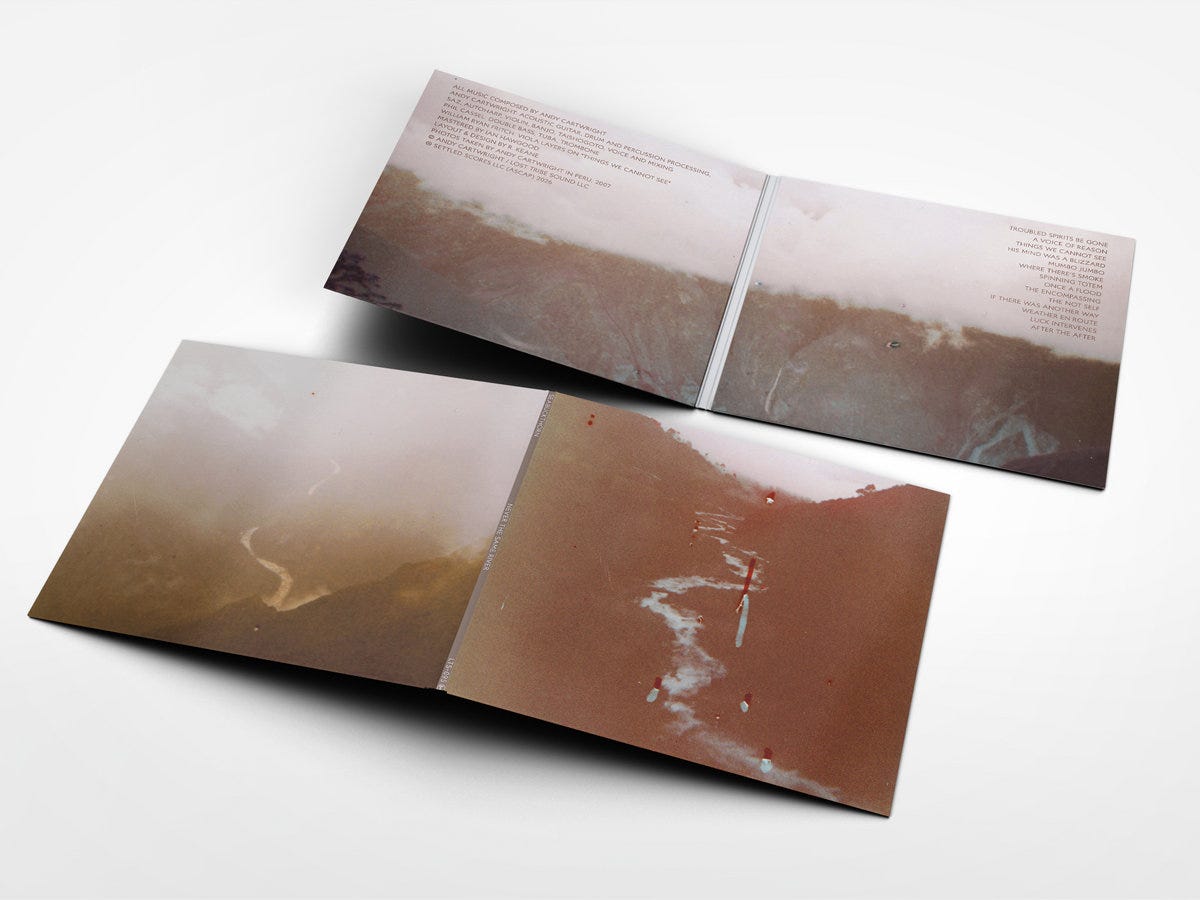
Tracks such as "Things We Cannot See" and "His Mind Was a Blizzard" demonstrate the album's ability to balance movement and stillness. There is often a sense of forward motion, but it is rarely hurried. Melodies surface from shifting drones and intricate textures before dissolving back into the wider soundscape. The music can feel ancient and experimental at the same time, rooted in folk traditions while embracing electroacoustic manipulation, ambient abstraction and subtle studio experimentation. Cartwright has always excelled at blurring these boundaries, but here the various elements feel especially integrated and assured.
What makes Never the Same River particularly compelling is the way it resists easy categorisation. Elements of Americana, ritualistic folk, chamber music, drone and minimalist composition coexist without any sense of contradiction. Rather than feeling like a deliberate fusion of genres, the album simply sounds like Seabuckthorn. At this stage in his career, Cartwright has developed a musical language entirely his own, one capable of accommodating a wide range of influences while remaining instantly recognisable. There's also a physical quality to the album that I find especially appealing. You can almost hear the grain of the wood, the scrape of fingers against strings, the resonance of instruments in a room. In an era where so much ambient and experimental music can feel detached or overly polished, Never the Same River remains tactile and human. Every creak, scrape and resonance contributes to the atmosphere. The music feels lived-in rather than constructed.
Despite its experimental tendencies, the album never feels academic or distant. There is a warmth running through these fourteen pieces that keeps drawing me back. It feels like the work of someone paying close attention—to landscape, to memory, to the passage of time and to the small details that often go unnoticed. The record rewards patience, not because it is difficult, but because it offers so much to discover beneath its surface. A Path Within a Path already suggested Cartwright was entering a particularly fruitful period, but Never the Same River feels like a further refinement and expansion of that vision. It deepens his interest in rhythm without sacrificing the contemplative qualities that have long made his work so distinctive. Like the river of its title, the album is never quite the same from one encounter to the next. Each return reveals a new current, a previously unnoticed detail or a different emotional shade. Few artists working within contemporary experimental folk create music that feels this transportive, and fewer still do so with such quiet confidence.
Links
Seabuckthorn
Lost Tribe Sound
 | A guest post by
|
Great write up, thank you! Fairly new to Andy’s work but will definitely explore…